Diet
Preamble
I was willing to try anything with scientific validity -- meaning, I wasn't going to fly off to a country that offers a non-AMA approved, long shot, "miracle cure." I wanted to support the doctor's prescribed Lupron injections which would stop my body's ability to produce testosterone, the hormone that is considered “the air" for prostate cancer. Fortunately there's been a lot of research on the effects foods have on cancer cells. The result of my investigation is the long list below. And while there's no one "magic bullet," the foods I continue to avoid and the one's I continue to consume have, collectively, worked. Remember, I'm not a doctor -- but neither was I supposed to be here now. My extremely aggressive prostate cancer is either in remission (whatever that means these days) or perhaps it’s hibernating deep in my bones. Since I have no intention of “waking it up," I'm sticking with what's been working for seven years.
What I Know and Don't Know
The suggestions below are based on what's worked for me and might work for you if you have a cancer that is hormone dependent. But not all cancers are! So, please be sure to check and see if your cancer is hormone dependent or, in some cases, partially hormone dependent. An AI search using an app like (my favorite) Perplexity should provide you with the information you need when deciding to proceed or not.
If you're in shoes like mine, this might be the way to take on the challenge of cancer.
The Goal: Change Your Body's Chemistry
When you have cancer, one safe assumption is that your cancer cells like the chemistry of your body and that's why it's thriving.
The obvious way to change your body chemistry is through diet. At the urging of my PCP - the man who put me on track to save my own life - I adopted a diet based on plant-based, whole foods. (People ask me if it was easy "going vegan." The choice was easy because, essentially, someone put a gun to my head.)
I never did radiation nor had chemo -- though they may be options that your cancer will dictate! (And, in regard to prostate cancer, there have been tremendous strides made in radiation techniques since 2018.). However, I think it's safe to assume the efficacy of the Lupron injections I had were greatly enhanced by my changed diet.
But don't just take my word for it. In a 2021 video, the Mayo Clinic promoted a plant-based diet for cancer patients, emphasizing the need for patients to augment the treatment they are undergoing while recognizing the importance of personalizing therapy. One note of exception: If you undergo a chemo discipline categorized as alkylating, you should avoid this diet during the course of that treatment.
No matter your type of cancer, I strongly recommend you watch the Mayo Clinic's video: https://youtu.be/0k6slsAb1lk?list=PLgIlblfYDRr0OrBXpHGRUF_3cSHN5iQ72
ALSO OF NOTE: The efficacy of chemo may be enhanced and side effects like nausea and vomiting may be reduced by fasting the day of treatment as well as before, and/or the day following treatment. This goes against instincts that say you'll be losing weight during chemo and should eat as much as possible but some patients have reported good results due to fasting. (Of course, consult your doctor, especially if you have insulin resistance issues.) The NIH's National Library of Medicine has more info here: https://pmc.ncbi.nlm.nih.gov/articles/PMC10303481/
Key Point:
"The most powerful drugs you take are the foods you eat every day."
-- Doctor Andrew Weil
What does cancer seek to help it survive and grow? Depending on your type of cancer, it could be hormones -- in my case, testosterone and in many breast cancers, estrogen.
No matter what type of cancer you have, all cancers seek fuel in the chemical environment we create through the foods we eat. As you might suspect, some foods are worse for you than others. The great news is that some foods absolutely kill cancer cells!
Which foods are the worst?
Animal proteins and fats are MAJOR fuels for cancer. The proof can be found in many studies on the role of methionine -- see video below. As you adopt a plant-based diet, one of the good things that happens is your gut flora changes and as it does, you will experience a slow but steady change in your taste buds. Dishes I wouldn’t have chosen before 2018, I now covet.
Glucose (and the insulin that reacts to it) are major culprits in the spread of all cancers (except prostate) through the process known as angiogenesis. (Think of the growth of capillaries only it’s cancer that is spreading.) Cutting your intake of sugars and fast-burn carbohydrates is critical to slowing angiogenesis and the spread of cancer.
Owning Cancer Key Point:
Not all carbs are created equal. Simple carbs — mostly found in processed foods — burn fast. Complex carbs burn slowly and help you avoid glucose and insulin spikes. How do you know which carbs are fast and which are slow? The glycemic index will tell you everything you need to know. Do a Google search and find an index that’s easy for you to read.
TRY THIS: If your A1-C's are less than perfect, talk to your doctor(s) about a prescription for Metformin. A medication meant for blood glucose control, it has been found to slow the progression of angiogenesis, in many cases slowing the spread of cancer cells. I suggested it to my Urologist on the day of my terminal prognosis. His reaction was, "Great idea." I feel certain it has been part of my unexpected (by doctors) success. If your doctor is uncertain, have him/her look at it as "chicken soup for cancer.” As long as you don’t have a diabetic or hypoglycemic condition, it’s safe to take. But of course, check with your doctor first to address your individual situation. Also be aware that Metformin is a mitochondria toxin so do be careful of dosage as it slows the production of ATP, a primary source of energy. But I’ve found it’s something I can live with - literally.
IF YOU ARE A SKEPTIC: Jump to the bottom of this page and check out the videos -- authored by doctors -- that highlight the benefits of a plant-based diet as proven in study after study.
Owning Cancer Key Point:
A whole plant based diet is:
* Easier than you might think.
* Provides more than sufficient protein. (A lack of adequate protein in a well-researched plant-based diet is an old myth.)
* Is less expensive than you might think.
* And Is far tastier than you might imagine.
* You will need a good B-12 supplement -- the vitamin that's hard to generate (possibly because of changes in our soil) on a plant-based or vegetarian diet.
Owning Cancer Inside Tip:
My MAIN SOURCE for dietary information is a website created by Doctor Michael Greger, NutritionFacts.org. I can't say enough good things about Doctor Greger and his site. His work is one of the main reasons I'm still here. Use the search bar there to find blogs and videos on your type of cancer and what you can do with nutritional changes to potentially reverse the course of your disease. Dr Greger's site is - amazingly - Free.
STILL NOT CONVINCED? The science supporting the positive impact of a plant based diet is extensive and undeniable. A terrific documentary on this subject, Forks Over Knives, looks at the life-long works of two doctors in this field who -- independent of each other -- came to the same conclusions about the amazing benefits of a plant-based diet. Forks Over Knives can be found on Amazon Prime. I recommend it highly.
Twenty-One Difference Makers:
Based on studies and medical advice, I adopted the following on a daily basis - using only organic products whenever possible. Yes, organic is more expensive and not always well defined but when you have cancer — of if you want to avoid getting it — you want to, if possible, avoid the pesticides found in most foods.
*1 Soy. Organic soy is possibly the best anti-cancer food/drink you can consume. (See chart in 1st video below) There are a lot of misconceptions and misinformation out there about soy -- but after digging around, I've made organic soy a staple of my diet, most days drinking a cup of soy milk, and often eating edamame, tofu or tempeh during the course of the day.
*2 Green Tea — Matcha is best according to some studies. Other studies suggest Japanese ceremonial green tea as the better of the two. I simply alternate between the two. I gave up my addiction to coffee so I could get the anti-cancer benefits of green tea. NOTE: Do not add dairy or non-dairy beverages as they tend to "sink" the beneficial green powder to the bottom of your cup. Also, wait ten minutes after brewing to allow your tea to cool so you'll get the maximum benefit. (Or, add an ice cube or two right after brewing.)
*3 Cordyceps. Used for thousands of years, this mushroom extract is reported to have benefits beyond its considerable anti-cancer properties.
I start my daily food consumption with a great immune support treat:
*4 Tahini Mix: 1 cup Tahini (Trader Joe's is my favorite); 4 tablespoons local raw honey; 1 tsp Ceylon Cinnamon. This tasty treat is about the Ceylon cinnamon. Tahini hasn't been conclusively studied and the honey just tastes good but the Ceylon kicks cancer cells hard. An option to add (which I don't) 1 tsp coca.
Note: Ceylon cinnamon has a different taste than regular cinnamon but has much stronger anti-cancer properties.
Warning! This is delicious but like all things, too much can be bad for you.
In my daily Veggie Juice — using a simple, straightforward juice like good old V-8, or when possible, organic Veggie Juice.
*5 1/2 tsp Turmeric powder (There’s a reason cancer rates are so low in most of India — the exception being regions that consume more meat.)
*6 1/2 tsp Ground Black Pepper — this “ignites” the turmeric
*7 1/2 tsp Rosemary — this is great for brain function which helped me control "brain fog." It also makes the Veggie juice taste better.
*8. Ground Cloves -- another great cancer cell killer.
*9 Garlic. (In the early days, I took it nearly everyday, mixing frozen crushed garlic with my morning Veggie Juice. (On the first signs of a cold I'm fond of the old-world remedy of hot tea brewed with crushed garlic and ginger. For me, it cuts down on the severity of the cold and speeds recovery.)
*10 Resveratrol — Not a food supplement but found in grapes and (as you probably know) wine and is a big part of the studies on DNA repair being done at Harvard by David Sinclair and his team.
With whatever breakfast food I’m eating — oatmeal, veggie patties, or smoothies before a morning exercise — I’m sure to add
*11 Berries - Every morning! Blackberries, Strawberries and Blueberries have the highest “scores” against cancer cells. On top of them add:
*12 Cardamom — elevates the berries into cancer-eating monsters.
*13 Flaxseed (2 to 3 Tbsp) — I try to get this in with breakfast but if I only do 1 TBS with breakfast, I’m sure to add two more with my salad at lunch. I buy ground Flaxseed from Bob’s Red Mill but recently read that grounding it yourself provides better nutrition.
*14 Amla — aka Indian Gooseberry. Great anti-cancer properties. Hard to find in berry form. The powder tastes like crap so you may want to try the pill form which can be found online.
Often in my cruciferous-laden salad, I almost always add
*15 Red Cabbage -- Never pass up an opportunity to add red cabbage to a salad or meal. It's that potent.
*16 Red Pepper — According to studies, Red Pepper is the best pepper to stop cancer spread. NOTE: if you have arthritis, you’ll want to avoid nightshades like peppers and raw tomatoes. And writing about tomatoes:
*17 Cooked Tomatoes -- because the cooked version is so good for you, I'll "cheat and open a can (a PBA FREE can) of tomatoes to add to my salad. Cold is great on a salad and I'll sometimes heat up cooked tomatoes to add to an evening dish.
Others (meaning I’ll use nearly everyday but in different meals and concoctions):
*18 Nutritional Yeast — sprinkle at will. I use it on top of nearly all my meals.
*19 Broccoli Sprouts — They have incredibly powerful anti-cancer efects, better than straight broccoli or pretty much any other cruciferous. Easy to grow your own! You can easily find sprout-growing kits on Amazon. We found a version that comes with two jars, mesh tops and seeds that grow sprouts quickly and easily.
*20 Pomegranate seeds — also great anti-cancer properties! I occasionally use in Hummus after lunch or — most often, after dinner — in a Coconut or Soy-based Yogurt to which I add additional cancer killers: Kamut, Ceylon cinnamon and a small amount of Broccoli sprouts. And for good measure, I’ll sometimes add a couple of blackberries and blueberries with cardamon sprinkled on top. Taste great and kills cancer cells — what a treat!
*21 Pickled foods like sauerkraut, beets and, of course, dill pickles — great for the gut biome which you want to take care of as you change your body chemistry.
Owning Cancer Key Point:
There's a wonderful synergistic effect to the combination of foods you eat. For example, pomegranate seeds are powerful by themselves as are broccoli sprouts but combine them and you get even stronger anti-cancer effects than just the two values by themselves. In my case, pumpkin seeds are good for prostate cancer — and deliver great doses of Iron which is important if you are in chemo treatment — but its powers are increased multiple times by simply eating them with fruit!
In other words, the combination of good foods is often better than the sum of the individual foods. So have at it, find out what foods are best for your cancer and combine them to make tasty meals and treats.
* Ground mustard powder. If you’re not cooking veggies but eating raw, you have to wait about 40 minutes to have chopped veggies get up to their maximum nutritional levels. Mustard powder eliminates that waiting time — and tastes good.
* Daily Tea: Pau D’Arco tea. NOT based on studies but was recommended by several people and came with great anecdotal success stories: You can check it out at taheeboteaclub.com. For the first couple of years, I drank between 40-60 ozs nearly every day.
* Chuga Tea. When I want a “change up” from Pau D’Arco, Chuga has terrific anti-cancer properties and it’s good for anyone who is concerned with their health as people in endurance sports like Rich Roll, use it to keep their energy up.
Thumbnail:
Admittedly, this is a lot of information to digest (yes, pun intended) especially when you’re first diagnosed and overwhelmed with emotions and mountains of information to sort. So, if confused, just remember the advice of Doctor Greger: The foods you want are: Berries, Beans and Veggies (especially cruciferous)
The greater number of veggies you put in your gut, not only will your fiber count go up -- critical to good health; and not just a powder to help grandpa poop better -- you'll also add variety to the bacteria in you gut which is critical to a healthier immune system.
Meal Sources:
When I was first given a terminal prognosis, we wanted to make dietary changes quickly. Most of our dinners are cooked by my wife — I cook dinner about once a week — and I wanted to make the adjustment as easy as possible for her. What we’ve found helpful are online services where you pick meals with recipes and the ingredients you need sent to your home. The costs are pretty decent given that you avoid buying items in excess of what you need. Sources we’ve liked starting with our current favorite:
https://splendidspoon.com -- A little different from the above in that you can pick from over 50 meals and Splendid Spoon cooks them and ships them, chilled, right to your door.
The PlantPowered Meal Planner is a great recipe resource based on your goals and likes/dislikes/allergies. This complete plan sends you customized recipes and -- if you're in a metropolitan area with a Whole Foods store -- you can get those ingredients delivered to your door through Amazon Fresh. This is a super smart program with a starting subscription of only $99 a year. Check it out at https://meals.richroll.com
Owning Cancer Key Point:
It’s important that you mix up your daily diet somewhat; it keeps cancer guessing! I know that sounds silly but variety in your meals makes it harder for cancer cells to “figure out” how to prosper within your body chemistry.
Inside Tip:
Consider taking vitamin D3-K2 drops because chemo is known to cause tooth decay and increase gum loss. Even though I've not been on chemo, D3-K2 has helped me control gum and bone loss.
AN ABSOLUTE NECESSITY: As mentioned above, when you’re on a plant-based diet, a good B-Complex is essential because you absolutely need B-12 when eating only plant-based foods.
RESOURCES:
Please note: I have NO financial association or agreement with the products or companies I recommend or reference on this website. That written.... Books I can easily recommend include:
How Not to Die by Doctor Michael Greger & Gene Stone.
I’m a skeptic. That’s why the recommendations I make are based on studies and advice from physicians. How Not to Die does just that: Dr Greger and his team look at scientific studies — not somebody’s personal diet plan — specifically, the innumerable studies on food and their affect on our health. Do yourself a favor and no matter what disease you have, you’ll find ways to improve your health while reducing — if not eliminating — the pills you have to pop and their nasty side effects.
NB: How Not to Die is available as an audiobook which is a great way to digest (yes, pun intended) this information. Listen to the open and then simply go to the chapter relevant to your cancer and hit "Play."
And...If you've never used the Audible App, and would like a free audio copy, use the Contact form, and in the comment section simply write, "Free How Not to Die audio book" and I'll send you a link.
Eat To Beat Disease: The Body’s Five Defense Systems & The Foods That Could Save Your Life by Dr William Li’. This book is thick with info on foods that promote the spread cancer through the process of angiogenesis as well as the foods that actually stop the spread of cancer, killing those cells (apoptosis) without killing a lot of other cells (as happens with chemotherapy). This book covers more than cancer and and just may address other health issues your family might be facing. Doctor Li is world-renowned, a scientist and angiogenesis expert who was among the first to ask, “Can we starve cancer?” I’m just one person, but I believe I’m proof that the answer is “Yes!”
UnDo It!: How Simple Lifestyle Changes can Reverse Most Chronic Diseases. By Dean Ornish, M.D. and Anne Ornish. You probably know Dr. Ornish from his many appearances on TV, especially his series on PBS. Author of many books and an icon of research in the field of preventative medicine, Doctor Ornish promotes “Lifestyle Medicine,” a scientifically proven program to prevent and reverse chronic diseases. This book, his latest, urges us to, “Eat well, move more, stress less and love more.” I couldn’t agree more.
The Plantpower Way: Whole Food Plant-Based Recipes and Guidance for The Whole Family: A Cookbook. By Rich Roll and Julie Piatt. Roll turned his life around starting with a change in diet, fostered by the incredible cooking talents of his wife, Julie Piatt. This publication includes dishes you won't believe don't contain dairy. And it's child-tested; If their children don't like a dish, it doesn't make the cut. Available on Amazon.
VIDEOS:
Four of the five videos below were produced by Nutritionfacts.org. (I told you that Dr Greger is my main source for dietary information!)
A Heads Up: Doctor Greger's voice turns some people off. Don't let that happen to you. You'll find over time that his voice (and sense of humor) are "acquired tastes." If you have a problem with his voice, get over yourself and let the man help you live longer and manage your cancer!
* #1: Starving Cancer with Methionine Restricition. There are a lot of health benefits to eating a plant-based diet, Easily (in my mind) the best reason is to starve cancer. This video is a great overview of the studies showing proof of this claim.
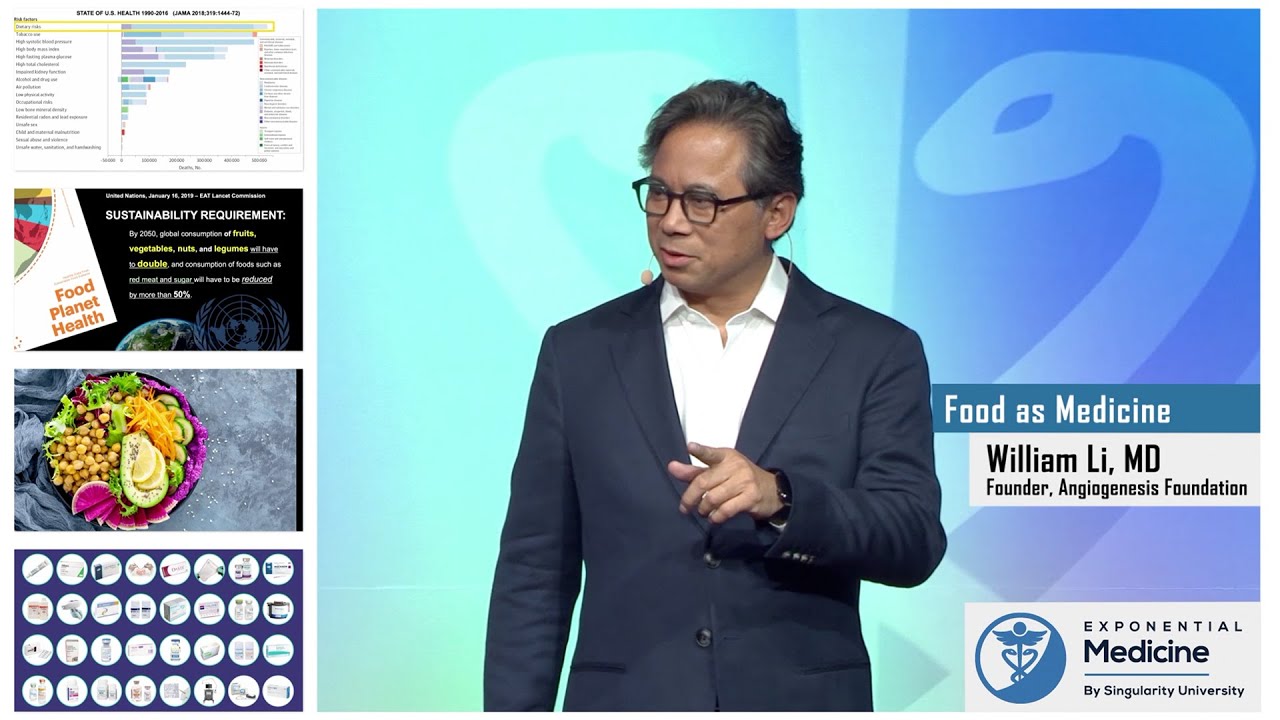
* #2: A presentation on the science and studies that prove the efficacy of plants in controlling -- and preventing -- cancer presented by Doctor William Li, founder of the Angiogenesis Foundation. If you're in a hurry, go to 16:05, and play for a few minutes so you can check out the chart showing the cancer-fighting efficacy of foods versus drugs. Amazing results without the horrible side effects of many of those drugs. Since ya gotta eat and want to eat, why not manage your cancer at the same time?
* #3: The benefits of Soy for everyone -- as mentioned above dispelling the myth about soy and women with Breast Cancer.
* #'s 4 & 5: Two videos by Doctor Greger that helped me start controlling my prostate cancer. You can find more videos summarizing studies on the effect of foods on particular cancers at his site, NutritionFacts.org.